From 1 Day to 30 Days: How Scam Ads Use Time-Compressed Promises to Hook You
TL;DR:
“In one day you’ll change your life.”
“In a week you’ll see results.”
“In 30 days you’ll be unstoppable.”
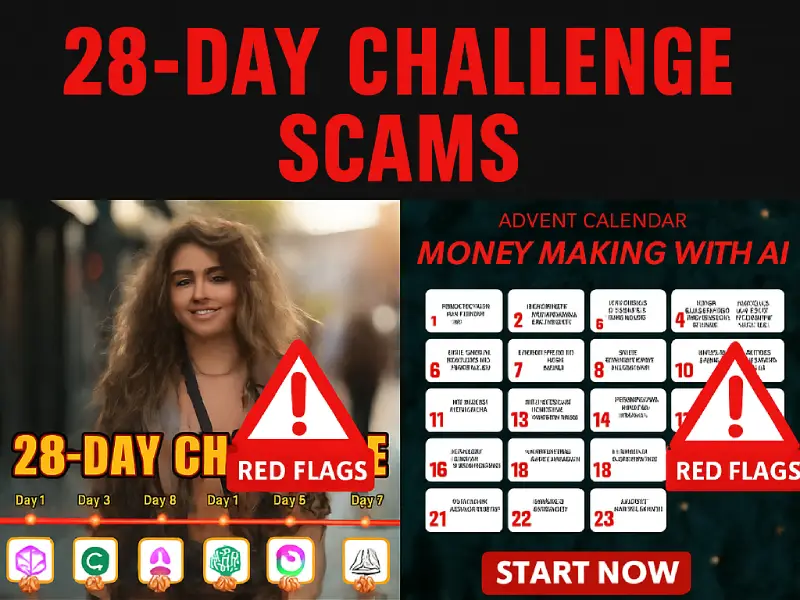
These compressed-timeline promises are the new marketing virus infecting fake AI courses, get-rich-quick schemes, and personal-growth grifts. Let’s unpack how they work — and how to spot them instantly.
🕒 The Rise of the “1-Day / 7-Day / 30-Day” Scam Formula
Over the last year, scam advertisers have evolved their language from vague “fast results” to structured, pseudo-scientific timeframes. You’ll see the pattern everywhere:
- “In one day you’ll master AI prompts.”
- “In three days you’ll think differently.”
- “In seven days, you’ll start earning.”
- “In a month, you’ll be unstoppable.”
It sounds harmless — even motivational. But behind these ads are often:
- Fake courses with recycled content,
- Hidden subscription traps, or
- Upsells that promise “faster access” for a fee.
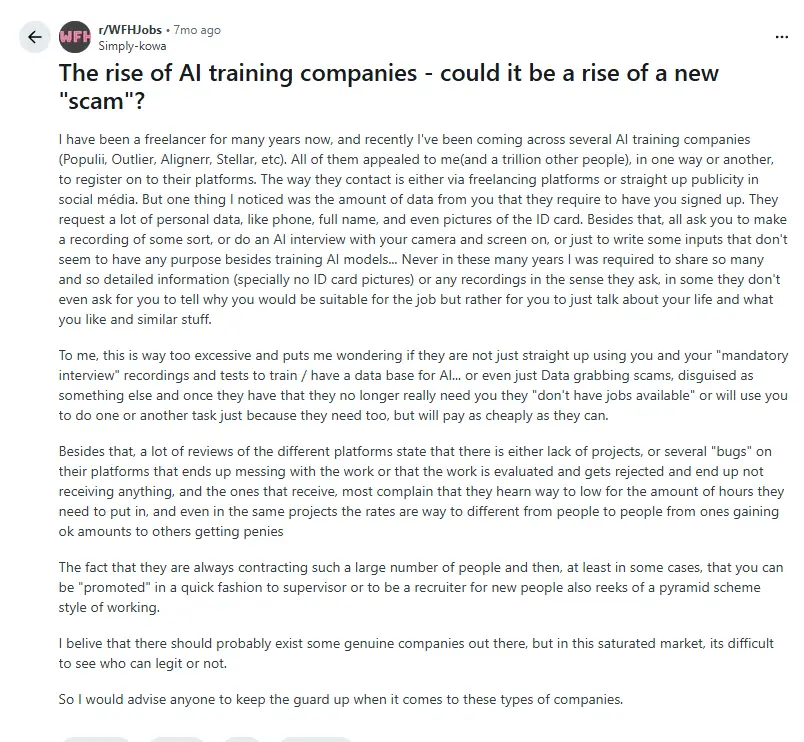
💡 Why These Promises Work So Well
These ads are not just catchy — they are engineered to hijack your brain’s sense of urgency.
🔍 Real Examples from Recent Complaints
According to consumer reports and Reddit threads in 2025, scam ads using this pattern are appearing on:
- TikTok and YouTube Shorts, promoting “AI Side Hustle Bootcamps”
- Instagram stories, promising “30-Day Mindset Shifts”
- Affiliate sites, pushing “3-Day ChatGPT Mastery Challenges”
1. TikTok’s “AI Side Hustle Bootcamp” Loops
In early 2025, TikTok users began reporting a wave of short ads promising “Learn ChatGPT in 3 Days — Build Your Side Hustle in a Week!” These 15-second clips often used upbeat background music, fake testimonials, and screenshots of supposed Stripe dashboards showing “$5,000 in 7 days.”
When users clicked the link, they were redirected to a funnel page hosted on ClickFunnels or Kartra — typically using domain names registered within the last 60 days. The page promised “instant lifetime access” to an “AI Business Toolkit,” priced at just $29.
Multiple Reddit threads later revealed that:
- The “course” was a set of free YouTube tutorials repackaged into PDFs;
- Customers were auto-subscribed to a $97/month ‘inner circle’ without explicit consent;
- The testimonial photos were scraped from LinkedIn and stock sites.
Victims who tried to cancel described being redirected through five separate pages with “Are you sure you want to miss this?” popups — a textbook dark pattern known as the “roach motel.”
2. YouTube “30-Day AI Mastery Challenge”
YouTube Shorts has become a new home for “AI Challenge” scams, often posing as personal brands. One high-view ad in mid-2025 used the headline:
“In 30 days, I went from zero AI knowledge to landing $3,000 clients.”
The video featured a self-proclaimed “AI productivity coach” demonstrating ChatGPT prompt tricks. The course, priced at $47, claimed to include “daily missions” and “a certificate of mastery.”
However, users posting on Trustpilot and X (Twitter) found that the course was fully automated — no human instructor, no support, and no certificate delivery.
Behind the scenes, the payment processor routed through a company in Belize that changed names every few months. Refund requests led only to automated emails claiming “all sales are final.”
Interestingly, the same spokesperson’s image appeared in a completely unrelated “Crypto Wealth in 30 Days” ad, confirming it was AI-generated content reused across multiple scams.
This case illustrates how scammers blend authenticity (personal stories) with manufactured identities — giving the illusion of a relatable human mentor while concealing an international operation.
3. Instagram’s “3-Day Mindset Shift” Course
On Instagram, a different flavor emerged — targeting self-improvement and wellness seekers.
Ads like “In three days, you’ll think differently — join our $9 challenge” appeared under hashtags such as #AIgrowth and #MindsetCoach.
The course funnel led to a WhatsApp group where participants received motivational voice notes — then upsells to a $299 “AI Wealth Accelerator.”
When users requested refunds, admins claimed they had “violated community rules” by being “negative,” thereby forfeiting eligibility.
Some victims reported credit card rebills months later under different merchant names — a sign the organizers were laundering subscription charges through white-label payment gateways.
This hybrid of self-help rhetoric + AI buzzwords makes the scam especially potent; it appeals simultaneously to emotional transformation and financial opportunity. Experts warn that “AI spiritual coaching” is a growing gray market now being monitored by consumer agencies.
4. Affiliate “AI Growth Academy” Landing Pages
Finally, a cluster of affiliate-driven scam pages has been spotted under names like “AI Growth Academy,” “Prompt Profit Mastery,” and “The 7-Day ChatGPT Blueprint.”
Investigations show that affiliates are paid up to 50% commissions per signup, incentivizing aggressive ad copy and deceptive claims.
Visitors land on professional-looking pages featuring countdown timers, fake Trustpilot badges, and testimonials that lead nowhere. The course materials themselves are scraped from Coursera or Udemy free offerings.
Consumers complained that the “academy” charged recurring fees despite being advertised as “one-time payment only.”
When ScamSpotter traced one domain via WHOIS, it was linked to a network of 47 similar sites — all registered to the same Panama-based marketer known for “high-ticket coaching” funnels.
Affiliate networks thrive on plausible deniability: the platform says “the affiliates wrote the copy,” while affiliates claim they just promoted what was given. The victim, caught between layers, rarely gets a refund.
This case underscores how time-compressed promises act as click-magnets that affiliates exploit at scale — because urgency sells, even when substance doesn’t.
5. Fake AI Job Ads on LinkedIn
Fake job listings are now a major scam vector, especially those promising “AI data labeling,” “ChatGPT evaluator,” or “remote AI training” work. These ads often appear on LinkedIn or Indeed and lure applicants with flexible hours and high hourly pay.
Scammers impersonate recruiters using AI-generated profile images and professional titles. The process follows a familiar pattern:
- Fake recruiter outreach via LinkedIn or email.
- Interview or “test task” — victims are asked to complete data-labeling exercises or install “AI annotation tools.”
- Upfront payment or identity theft — candidates are asked for “onboarding fees,” passport scans, or banking info.
One Reddit user wrote:
“I applied for an AI trainer job on LinkedIn. They asked for a $50 software fee for onboarding — then ghosted me.”
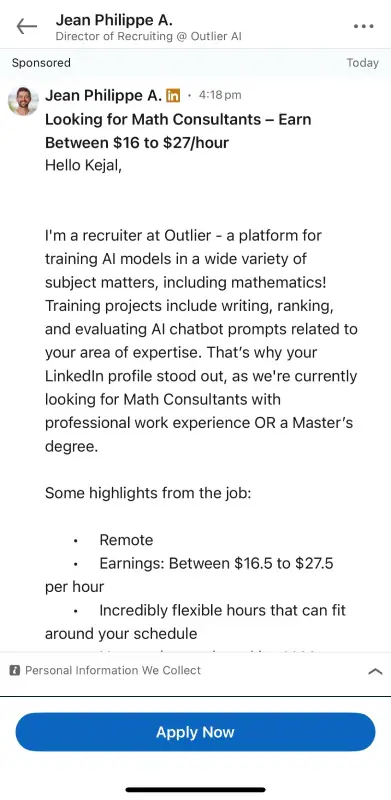
LinkedIn has issued warnings about AI-related fake job offers, and the FTC has categorized “training fee” scams as a persistent threat. These scams exploit the public’s fascination with AI while monetizing job seekers through fake onboarding or data harvesting.
Red flags: vague job descriptions, Gmail recruiter addresses, WhatsApp interviews, and any request for payment upfront.
6. “AI Revolution App” Income Funnels
The “AI Revolution App” promises users they can earn passive income using “AI-powered affiliate links.” Its ads feature AI-generated spokespersons claiming “$500 a day without effort.”
Investigations show the app operates as a pay-to-play funnel:
- Users must buy a “Pro license” to unlock commissions.
- Withdrawal thresholds are unreachable unless more people join (a pyramid-like structure).
- There’s no clarity on how “commissions” are earned or paid.
Experts on JustAnswer and tech review blogs label it a high-risk affiliate Ponzi scheme that leverages AI hype.
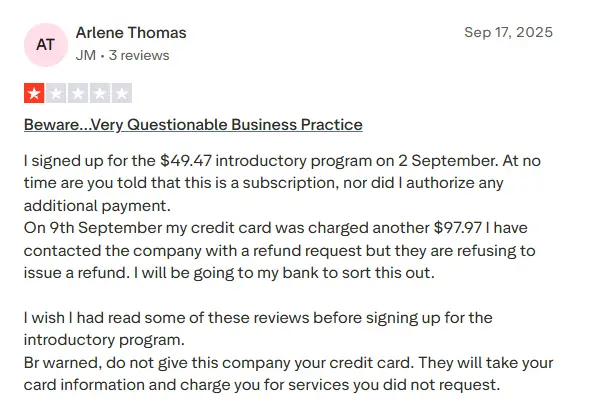
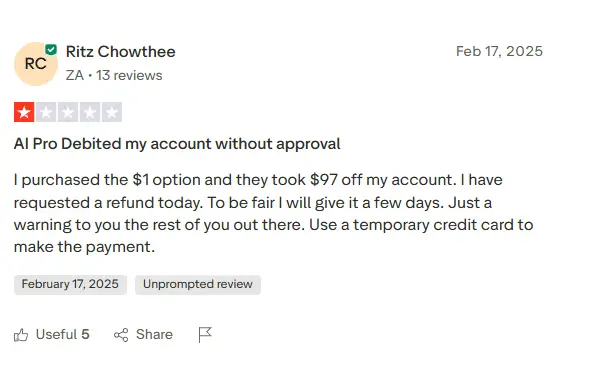
7. AI Pro Academy Subscription Trap
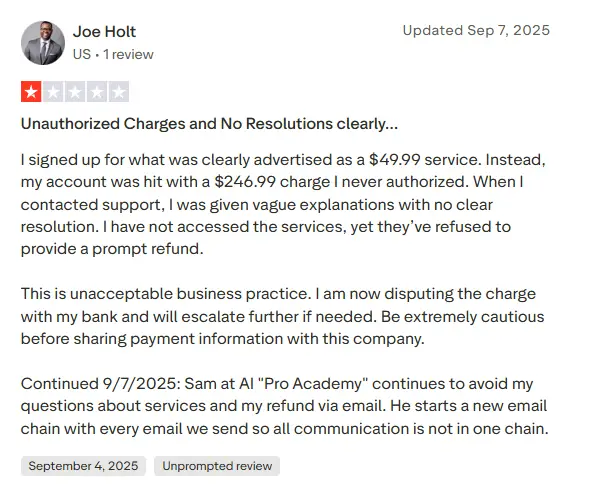
On Trustpilot, users describe paying for a “$49 AI Pro Course” — which turned out to be:
- Auto-billed into a $246.99 charge that was never authorized.
- Avoiding any questions about services and refund via email.
- Starting a new email chain with every email send so all communication is not in one chain.
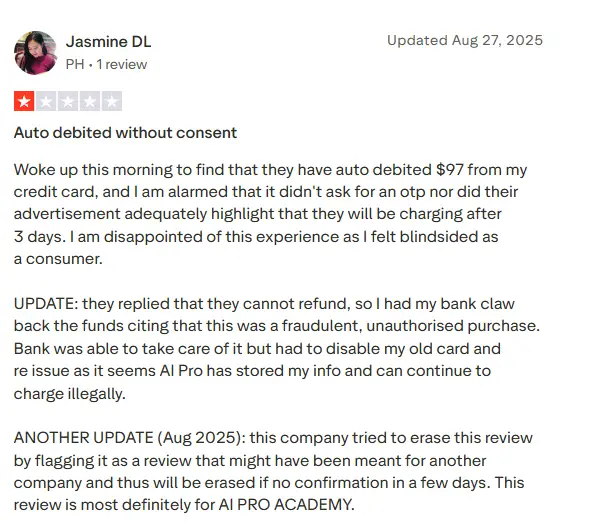
One verified complaint noted:
Auto debited without consent Woke up this morning to find that they have auto debited $97 from my credit card, and I am alarmed that it didn't ask for an otp nor did their advertisement adequately highlight that they will be charging after 3 days. I am disappointed of this experience as I felt blindsided as a consumer. UPDATE: they replied that they cannot refund, so I had my bank claw back the funds citing that this was a fraudulent, unauthorised purchase. Bank was able to take care of it but had to disable my old card and re issue as it seems AI Pro has stored my info and can continue to charge illegally. ANOTHER UPDATE (Aug 2025): this company tried to erase this review by flagging it as a review that might have been meant for another company and thus will be erased if no confirmation in a few days. This review is most definitely for AI PRO ACADEMY. — Jasmine DL Trustpilot review
8. “Learn AI in 2 Weeks” Challenge Trend
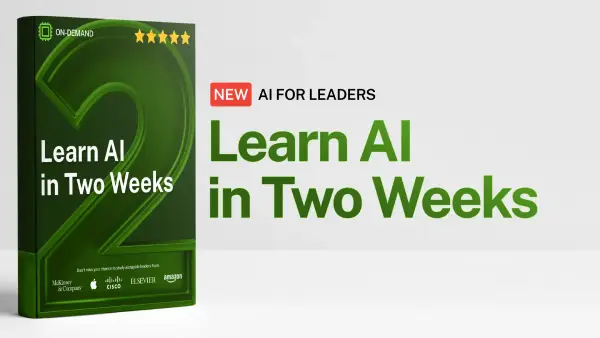
The “2-week mastery” format is the new frontier in fast-skill scams. Ads on Instagram Reels and Facebook promise that users can “land AI clients in 14 days.”
The entry fee ($19–$49) grants access to basic tutorials and a Discord group. But within days, participants are pitched “accelerator packages” costing $997+.
Users on Reddit and YouTube comments call these challenges thinly disguised upsell traps, not learning experiences. The “14-day promise” exists mainly to generate urgency and qualify users for a bigger sales pitch.
9. AI Copywriter “One-Day Client Challenge”
A 2025 trend on TikTok and Gumroad: “Get your first AI copywriting client in 24 hours!” These “micro-challenges” sell $27 “client scripts” and “AI prompt templates.”
The scam relies on FOMO + social proof loops — showing fake screenshots of payments and “day 1 success” testimonials generated by AI.
Some creators were found running identical ads under multiple names, each linking to cloned Gumroad pages. PayPal disputes show most buyers received auto-generated PDFs and no refunds.

⚠️ Common Red Flags
- Time-framed transformation claims — “In 7 days you’ll earn $700.”
- Countdown timers that reset when reloading the page.
- Fake testimonials or AI-generated student faces.
- No verifiable instructor or business entity.
- Upsells for “accelerated” or “elite” tiers after signup.
Tip: If you can’t verify who runs it, don’t fund it.
✅ Scam Ad Deconstruction Checklist
Here’s a quick test before clicking “Sign Up”:
| Checkpoint | What to Ask Yourself |
|---|---|
| Timeline | Is the promise realistic for a human learning curve? |
| Proof | Can they show real, verifiable success stories? |
| Refund Policy | Is there a clear refund or cancellation page? |
| Contact Info | Is there a legitimate business address and support email? |
| Platform Reputation | Are there reviews outside the ad’s own site? |
If the answer to any one of these is no, you’re looking at a likely scam — or at best, an unethical marketing funnel.
📈 Why It Matters Now
The AI gold-rush of 2025 has made time-compression scams more profitable than ever.
TikTok and Meta feeds are saturated with fast-promise content — often generated by AI itself to mass-produce fake coaches and courses.
Even legitimate creators now imitate scam phrasing (“in 7 days you’ll...”) unintentionally normalizing deceptive structures.
The faster the promise, the slower the refund.
Regulators like the FTC have begun flagging AI-related course and business claims as a top 2025 concern — noting that “compressed success promises” are part of their deceptive-advertising investigations.
🧭 How to Stay Safe
- Screenshot the ad and search the text in quotes — if it’s used across multiple unrelated brands, it’s likely templated scam copy.
- Check domain age on WHOIS or ScamAdviser — new domains (under 90 days old) are red flags.
- Avoid direct wire, PayPal Friends, or crypto. Use a credit card for chargeback rights.
- Report deceptive ads to the FTC, local consumer bureaus, or platform “Ad Transparency” tools.
🧠 Final Thought
Real transformation takes months — not a countdown timer.
When a stranger claims you can “master AI in 3 days,” they’re not selling knowledge.
They’re selling urgency.
Slow progress is the real shortcut.
This post is based on publicly available user reviews and reports.
It is intended for educational and consumer awareness purposes only.
All opinions expressed are the author’s own.
Posts in this series
- Coursiv.io EXPOSED — Don’t Get Tricked by This AI Training Scam!
- From 1 Day to 30 Days: How Scam Ads Use Time-Compressed Promises to Hook You